How Hearing and Vision Loss in Seniors Can Lead to Social Withdrawal
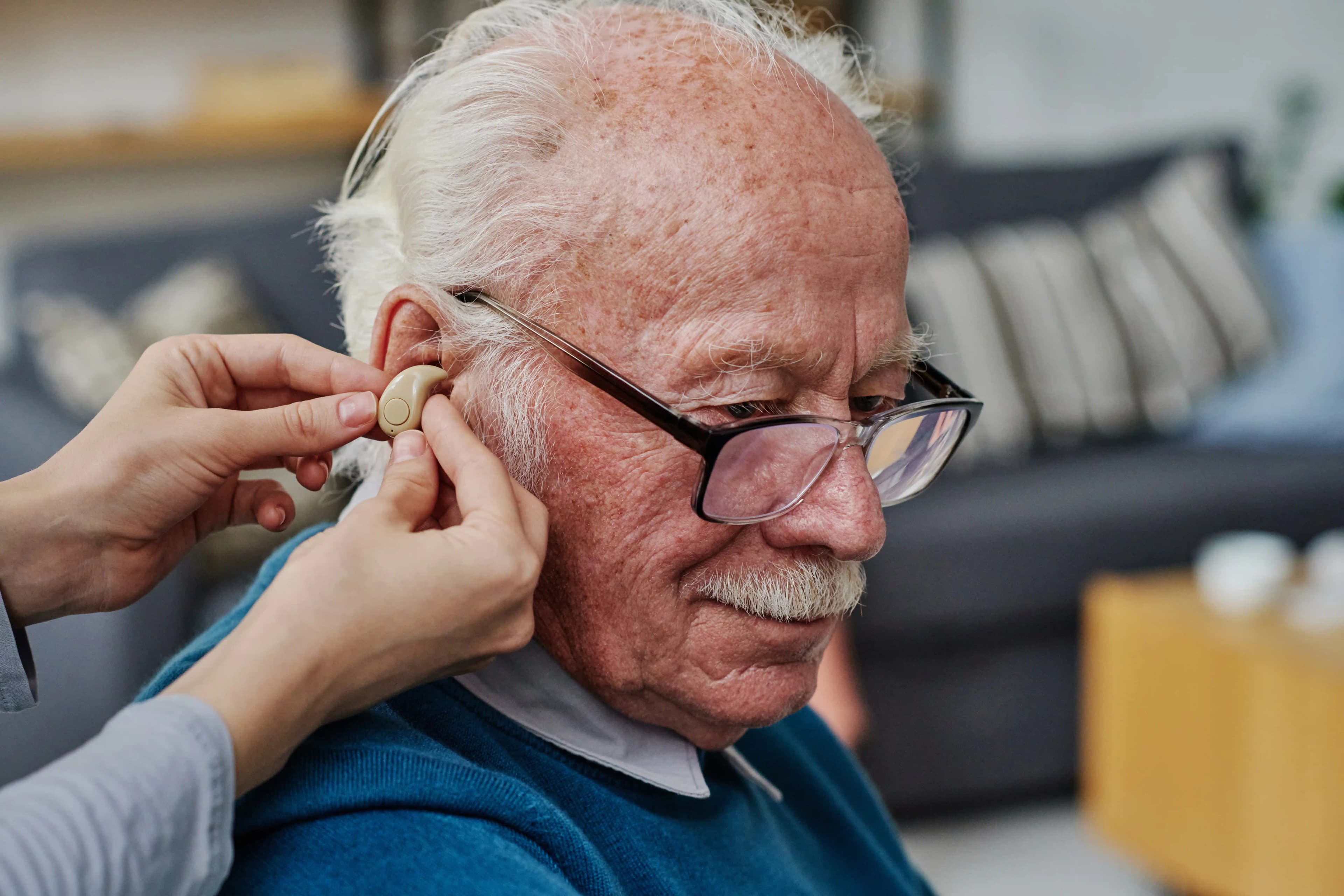
As people age, gradual decline in hearing and vision is a natural part of the aging process. Many older adults begin to notice that they cannot hear conversations clearly or see details as sharply as before. However, these changes are often accepted as “normal aging,” and support is not always sought early.
Over time, sensory decline can have a much deeper impact than simple inconvenience. It can affect communication, independence, safety, and emotional well-being. When seniors struggle to hear or see properly, they may slowly withdraw from social life and become less engaged with the world around them.
Reduced Hearing and Vision Affect Communication
When hearing and vision become weaker, communication becomes more difficult. Seniors may frequently:
Misunderstand conversations
Ask others to repeat themselves
Avoid group discussions
Feel embarrassed in social situations
These challenges can lead to frustration and gradually reduce their willingness to communicate with family and friends.
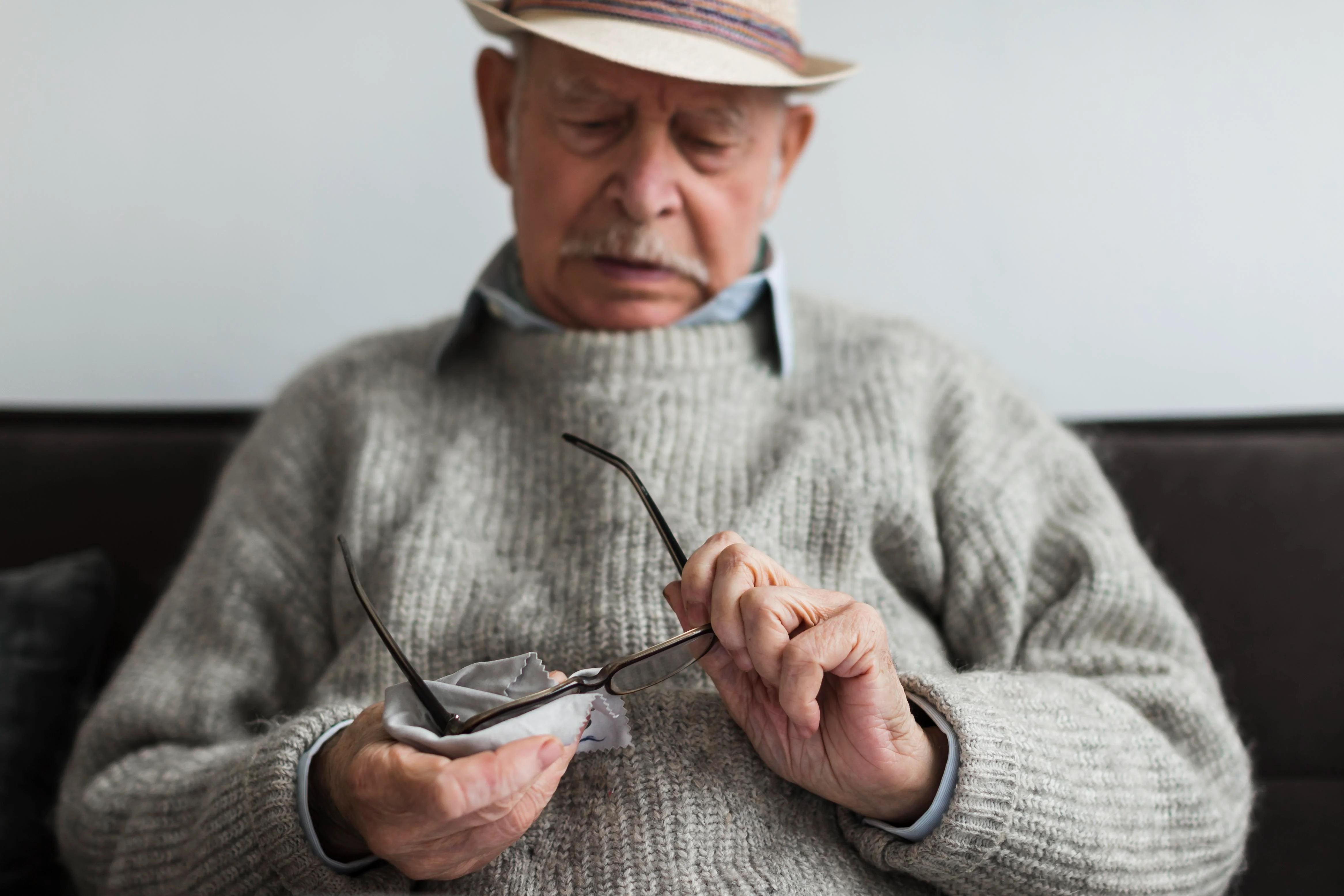
Increased Risk of Social Isolation
One of the most serious consequences of sensory decline is social withdrawal. Older adults who struggle to hear or see clearly may begin to avoid social activities because they feel disconnected or unable to participate fully.
Over time, this can lead to:
Reduced social interaction
Feelings of loneliness
Loss of confidence
Emotional withdrawal from family gatherings
Without proper support, this isolation may significantly impact mental health and overall well-being.
Higher Risk of Falls and Accidents
Vision loss in particular can create safety risks in daily life. Seniors may have difficulty judging distances, recognizing obstacles, or moving safely in familiar environments.
Common risks include:
Tripping or falling at home
Colliding with furniture or objects
Difficulty navigating stairs or uneven surfaces
Reduced confidence when moving independently
These incidents may appear minor at first but can lead to serious injuries in older adults.

The Importance of Early Support
Caring for seniors is not only about addressing illness but also about noticing small changes in hearing, vision, and daily behavior. Early intervention can help maintain independence, safety, and quality of life.
Support may include regular health checks, assistive devices, and a safe living environment that reduces risks and encourages communication.
Compassionate Support for Seniors
At VN Care, our clinical support services accompany older adults in managing hearing, vision, and other specialized health needs. With personalized care and attentive assistance, we help seniors maintain connection, confidence, and comfort in their daily lives.
📩 Contact VN Care to learn more about specialized care services for your loved ones.